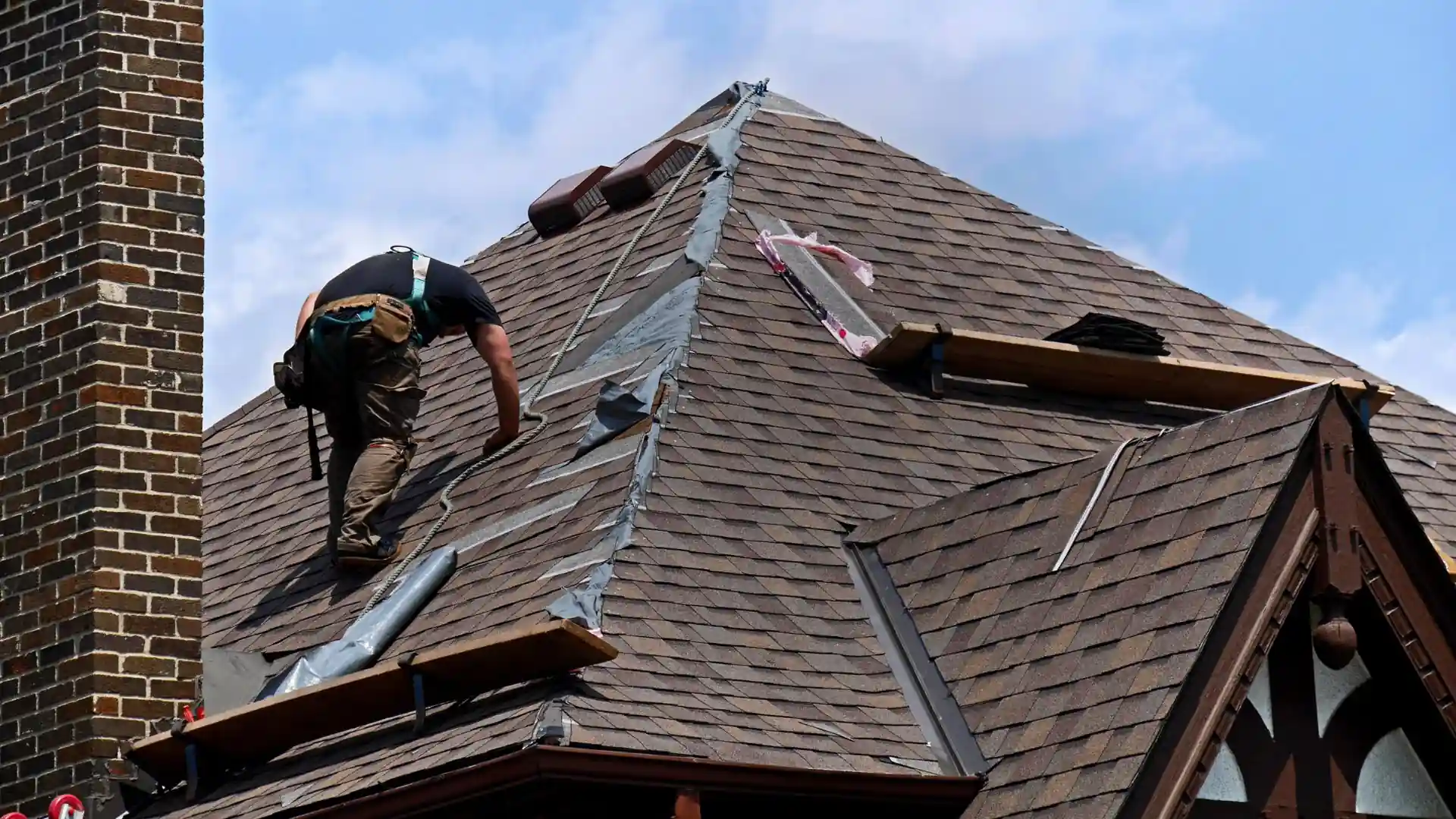
Understanding when to replace a roof is essential for homeowners. Early indicators, such as missing shingles or leaks, can signal the need for replacement. Neglecting these signs often leads to extensive damage and higher repair costs. Factors like weather conditions further influence a roof’s lifespan. Homeowners must assess their roofs regularly to avoid financial strain. As they assess these key factors, they may start to question when to replace roof and what signs signal it’s time to take action.
Key Takeaways
- Regularly inspect for missing or damaged shingles to prevent moisture exposure and structural damage.
- Watch for granule loss; it indicates aging and diminished shingle performance.
- Address leaks promptly, as they compromise roofing integrity and can lead to costly interior damage.
- Consider the roof’s age; if it’s nearing 20 years, evaluate for potential replacement needs.
- Assess local weather impacts; extreme conditions can accelerate wear and necessitate earlier replacement.
Key Signs It’s Time to Replace Your Roof
When evaluating the condition of a roof, various indicators can signal the need for replacement. One prominent sign is the presence of missing or damaged shingles, which can expose the underlying structure to moisture. Additionally, granule loss from shingles can indicate aging, reducing their effectiveness. Homeowners should also watch for leaks in the attic or ceilings, as these often signify compromised roofing integrity. Sagging areas may suggest structural issues, necessitating immediate attention. Moreover, if the roof is approaching or exceeds its expected lifespan, it is prudent to reflect on when to replace the roof. By recognizing these signs early, homeowners can prevent more extensive damage, ensuring their living environment remains safe and secure.
Costs of Delaying Roof Replacement
Delaying a roof replacement can lead to significant financial repercussions for homeowners. As deterioration progresses, minor issues can escalate into major problems, resulting in costly repairs. Water leaks from a failing roof can damage not only the interior structure but also personal belongings, amplifying expenses. Furthermore, insurance claims may be denied if negligence is evident, further burdening the homeowner. Increased energy costs can also arise, as an inefficient roof allows heat or air conditioning to escape. Additionally, potential buyers may be deterred by a compromised roof, decreasing the property’s market value. Ultimately, understanding when to replace a roof is essential to avoid these escalating costs and protect one’s investment in their home.
Essential Factors to Evaluate Before Replacing Your Roof
Determining the right time for a roof replacement involves careful consideration of several essential factors. First, evaluating the roof’s age is important; most roofs have a lifespan of 20 to 30 years. Next, inspecting for visible damage, such as missing shingles or leaks, can indicate the need for replacement. Additionally, gauging the extent of wear, including granule loss and structural integrity, is significant. Homeowners should also consider the cost-effectiveness of repairs versus replacement; frequent repairs may signal that replacement is more economical in the long run. Finally, local building codes and potential resale value should inform the decision. By evaluating these factors, homeowners can make informed choices about when to replace their roof, ultimately enhancing their property’s longevity and safety.
The Impact of Weather on Roof Lifespan
Weather plays a significant role in influencing a roof’s lifespan and the timing for replacement. Various climatic conditions, such as extreme heat, heavy rainfall, snow, and hail, can accelerate wear and tear. For instance, prolonged exposure to intense sunlight can cause shingles to become brittle, while moisture can lead to mold and rot. Regions prone to severe storms may experience increased risk of damage from flying debris or high winds, necessitating more frequent inspections. Additionally, seasonal changes can affect material performance; for instance, freeze-thaw cycles can weaken certain roofing materials. Understanding these weather-related factors is essential for homeowners aiming to determine when to replace their roof, ultimately safeguarding their investment and ensuring long-term durability.
When’s the Best Time to Replace Your Roof?
When considering the ideal timing for a roof replacement, homeowners must weigh various factors that influence both performance and longevity. Identifying the right moment can prevent costly damage and guarantee a safe living environment.
- Age of the roof: A roof typically lasts 20-25 years.
- Seasonal weather patterns: Spring and fall provide the best conditions for installation.
- Visible damage: Look for missing shingles or leaks as indicators.
- Energy efficiency: Upgrading to modern materials can improve insulation.
Frequently Asked Questions
How Long Does a Typical Roof Last?
A typical roof lasts between 20 to 50 years, depending on materials and maintenance. Understanding this lifespan is essential for homeowners, as timely assessments can prevent costly repairs and guarantee long-term structural integrity.
Can I Replace My Roof Myself?
While replacing a roof oneself is possible, it requires significant skills, knowledge, and safety precautions. Homeowners should assess their expertise and consider professional assistance to guarantee a durable and secure roofing solution when needed.
What Materials Are Best for Roof Replacement?
Asphalt shingles, metal, and clay tiles are among the best materials for roof replacement. Each offers distinct advantages, such as durability, aesthetic appeal, and energy efficiency, catering to various homeowner preferences and regional climates.
Will Homeowners Insurance Cover Roof Replacement?
Homeowners insurance typically covers roof replacement if the damage results from covered perils, such as storms or fire. However, policies vary, so homeowners should review their specific terms to understand coverage details and limitations.
How Do I Choose a Roofing Contractor?
To choose a roofing contractor, one should evaluate credentials, seek recommendations, verify insurance, and review past work. A detailed contract outlining materials and timelines is essential for ensuring clarity and accountability throughout the project.
Conclusion
In conclusion, recognizing the key signs that indicate a roof replacement is necessary is vital for homeowners. Delaying such action can lead to higher costs due to extensive damage. Evaluating essential factors and understanding the impact of weather can aid in timely decision-making. Ultimately, replacing a roof at the right time not only safeguards the home but also optimizes long-term financial health, ensuring a secure living environment for occupants while mitigating future repair expenses.
You May Alos Like to Read: